Autumn 2 2026

Year 1 Jellyfish Newsletter 

Phonics

The children will continue with their daily monster phonics sessions. They will learn new sounds, blend words containing these sounds and apply these to writing words and sentences. New spelling patterns such as the suffixes ed, ing and er will also be introduced. You may also hear the children talking about alien words. These are nonsense words which are made up of sounds that they children have been taught.

 English

The Jellyfish love opening the story dream chest every week to see what Profressor Klunk has left for them. They will continue to use their imaginations by creating their own characters, locations and adventures and bringing these to life with their own codes (sentences). Our codes this half term will continue to focus on using capital letters, full stops and finger spaces consistently.

PSHE

Celebrating Differences

In this unit, the children will talk about the similarities and differences between people and how these make us unique and special. The children learn what bullying is and what it isn’t. They will talk about how it might feel to be bullied and when and who to ask for help. They will also talk about friendship, how to make friends and that it is OK to have differences from their friends.

Geography
Where in the world do I live?

In this unit the children will be finding out more about their local area - Amble. They will use maps to locate where in the world they live, which country, which town and which street. Within this unit the children will also be looking at the weather and comparing how this is different depending on where in the world you live. 

 
History
How have toys changed since our older relatives were little?
Children will find out about toys from the 1960's and how they were played with. They will make comparisons with the toys we play with today and see how technology has changed toys over time.  

Art and Design 

This term the children will focus on painting.  We will learn about primary colours and look at the work of Mondrian and create paintings in the style of Mondrian.  The children will develop control when painting with thick and thin brushes, adding colours to a colour wheel.  We will learn how to mix primary colour to make secondary colours and look at the work of Kusama, creating paintings in this style.   We will look at some examples of Cartoon and Doodle Art and talk about what we can see.  The children will have the opportunity to select different materials to create their own art. Finally we will look at the role of craftmakers, thinking particularly about printing.

Computing

The children will begin to practice logging on  independently as we explore digital art. The children will learn about a  range of creative tools and use different applications to create their own digital paintings. They will compare physical and digital painting to consider their preferences when painting with, and without, the use of digital devices.

Maths

Addition and subtraction within 10

The Jellyfish will continue to focus on numbers up to 10 but this half term they will move onto adding and subtracting. They will use lots of different representations, such as part whole models and bar models to develop their understanding. They will continue to use concrete resources to support them when adding and subtracting, before moving onto pictorial representations. You may hear the children singing our number bonds to 10 rap which is a great way for children to learn and remember the bonds to 10.  The Numberblocks series is another great resource which helps to develop the concept of number.

Shape

The children will begin to recognise and identify 2d and 3d shapes. They will be given lots of practical opportunities to help understand their different properties.

Science

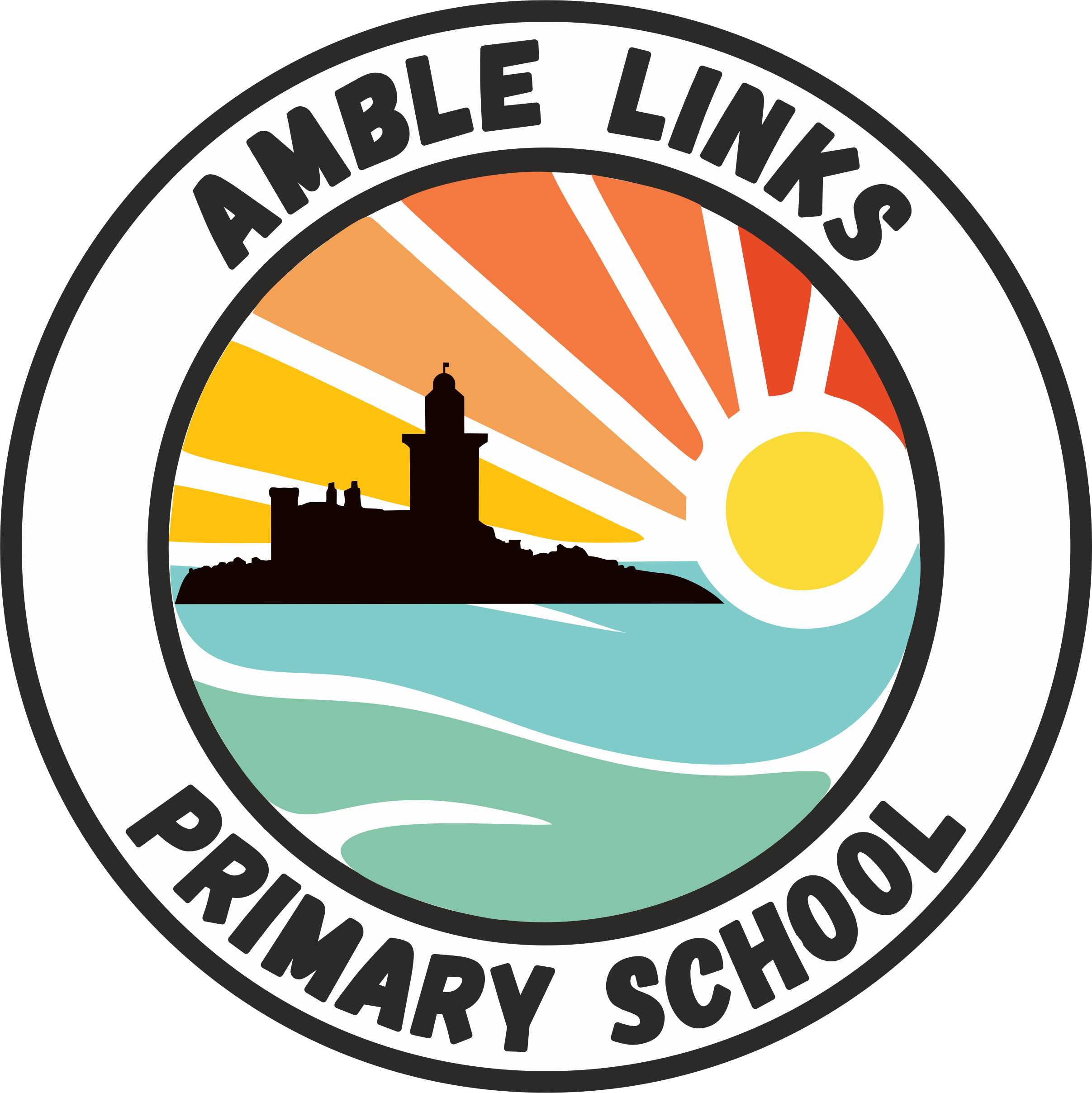
In Science this half term, the children will be learning about materials and their properties. Working as Scientists they will test a range of materials to answer the following questions:

Which materials are absorbent?

Which materials are waterproof?

Which materials are tough?

The children will begin to record their results in a range of different ways and discuss what they found out. The children will be introduced to vocabulary such as material, object, metal, wood, plastic, glass, tough, waterproof and absorbent.
Music

This unit demonstrates how singing quietly and loudly can change the feel of the song. Pupils listen to music with changing dynamics and think about how it makes them feel. Lullabies and upbeat songs are sung in contrast to each other to identify when calmer or livelier singing is most effective.

 Design Technology

The children will be carry out a range of techniques to develop their skills in cutting, folding, joining and strengthening. They will then apply this skills to the design, creation and evaluation of their own moving Christmas card. 

Physical Education

Weekly PE lessons will focus on dance. Through the theme of growing, the children will learn how to control and coordinate their bodies to perform movements by responding to different rhythms and patterns. They will work both independently and collaboratively to create their own sequence of movements. 

Religious Education 

Why does Christmas matter to Christians?

The children will start to think about the terms secular and religious. They will talk about the key events from the Christmas story in more detail. We will find out about how Christmas is celebrated today and begin to consider which traditions are secular and which are religious. They will focus on religious artwork, saying how and why it helps Christians today to celebrate the key events from the story.