English (Writing): In the final part of our year, we will be writing about the life of Anne Frank during her time in hiding and producing an extended diary account based upon her infamous diary "Kitty".
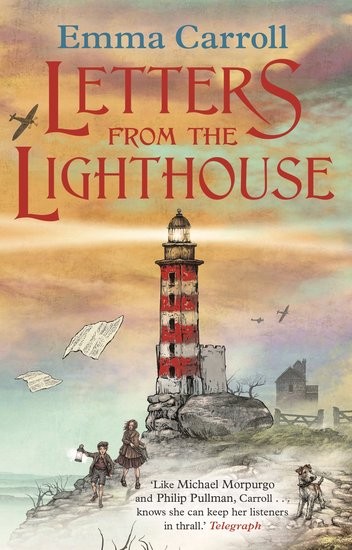
English (Reading): As readers, we will be reading Letters from the Lighthouse by Emma Carroll depicting a story about two evacuees in WW2 who are moved to a lighthouse in Devon where they solve a mystery. We will be applying our decoding, retrieving, sequencing and predicting skills to answer comprehension tasks.
Science (Living Things) -
Animals: Human timeline
Studying human development and changes, children identify key stages and consider what data may help determine if a child is growing normally. They describe how puberty affects girls and boys and produce graphs to compare how gestation periods vary across different mammals, including humans.
Making connections: Does the size of an asteroid affect the diameter of its impact crater?
Making connections: Does the size of an asteroid affect the diameter of its impact crater?
Children explore the relationship between the size of model asteroids and the diameter of the impact crater they create through experiments, data analysis, and drawing conclusions. They apply their understanding of gravity, air resistance and the Earth and space to make predictions and plan and carry out an enquiry.
Geography (Why are mountains so important?): As geographers, we will be exploring the geographical features of mountains around the world. We will use models to describe how mountains are formed and link these concepts to previous understnading in order to answer our question. We will explore famous mountaineers - Mallory, Irvine, Hillary - that are shrouded in mystery and conclude our own opionion based on the evidence.
Jigsaw (Changing Me): As citizens, we will be learning about the changes our bodies go through as we grow up including puberty for girls, puberty for boys and conception. Please watch the video below for guidence from Nurse Jane who offers guidence on supporting your children at home. We will be discussing our concerns, ideas and strategies to manage our feelings.
Computing (Selection on Quizzes): As quizzers, we will be developing our knowledge of selection by revisiting how the; If, Then, Else, structure can be used to select different outcomes based upon whether a condition is true or false. This is represented in algorithms then constructing programmes using Scratch. We will use these skills to design our own quiz.
Music
Singing for performance: syncopation in songs
: As musicians, we will be revisiting key elements in our learning to understand how they interlink together. We will be exploring different types of music including opera and interlocking melodies to express beats, rythm, pulse and structure.