Summer 2 2026

 
Puffins
 
Summer 2

English
The first text the children will focus on is ' The Great Fire of London'. The children will explore London in the present and the past, through story. They will explore the cause of the fire to create warning posters and use drama to explore the experiences of Londoners in 1666. To finish the unit, the children will create an information booklet.
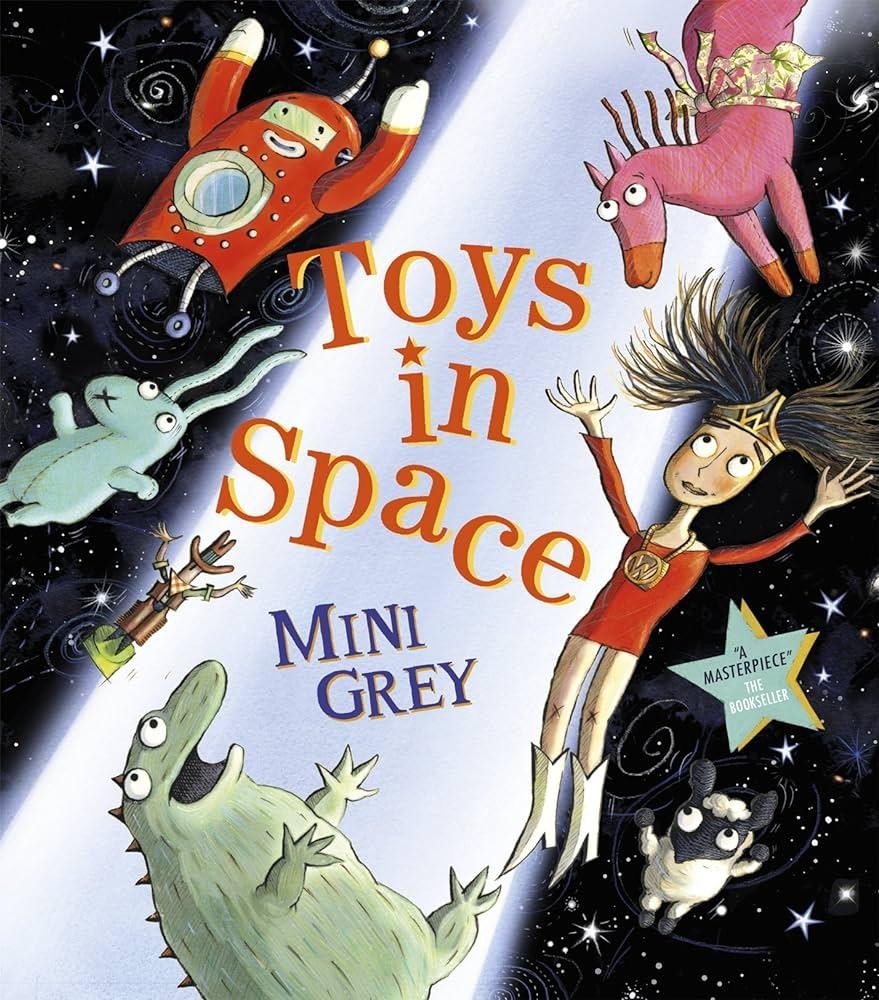
The second text the children will focus on 'Toys in Space' by Mini Grey. The children will discover a box of toys that have mysteriously landed in the classroom and try to uncover who they belong to using clues! The children will have a variety of writing opportunities, including creating 'found' posters, writing descriptions and completing a space log! Gradually the children will build up the skills to create their own characters to write a fantasy story.
 
 
Mathematics
During this half term, the children will focus on Time, Statistics and Positions and Directions.
 
Time: Time is always tricky for the children so lots of practise at home is really helpful. In Year 2, the children need to tell the time on an analogue clock for O'Clock, half past, 1/4 past and 1/4 to.

Statistics: The children will work with tally charts and use this information to create block diagrams and pictograms.
 
Position and Direction: The children will use their existing knowledge on position and direction and apply this to new learning. They will focus on the vocabulary: clockwise, anticlockwise, quarter turn, half turn, three-quarter turn and full turn.
 
Science: Plant-based Materials
During this half term the children will focus on identifying ways to reduce, reuse and recycle, children draw on their knowledge of properties to invent creative uses for old objects. They discover some natural materials derived from plants and look at the processes involved in making paper. Using their observational skills, they conduct simple tests to choose the most suitable material for homemade plant pots, venturing outdoors to find natural materials to decorate them.
Religious Education
What makes some places sacred to believers?
 
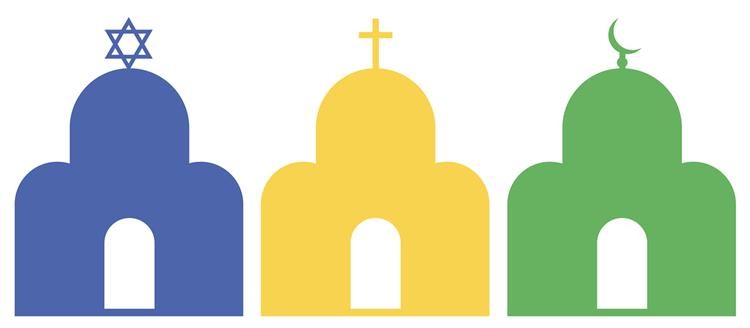
In this unit, the children will find out about various places of worship and why they are important to many believers. They will focus on the key features of churches, mosques and synagogues learning about how these can vary within different traditions. The children will also spend time considering the similarities that all places of worship have and how they support their local communities in practical ways.
 
 
Music: Singing for performance - adding a simple vocal accompaniment
In this unit pupils add simple vocal accompaniments to songs. They learn chanted and sung ostinati, adding these to songs they have learnt. Pupils practise in order to improve and understand the importance of maintaining a steady pulse.
Design and Technology: 
 The children will be introduced to lever mechanisms and describe their movements. They will find pivots and levers on various mechanisms. They will then use their knowledge to make a simple mechanism with two levers.
History: 
 The children will continue learning about Pompeii. They will discover what happened in 79AD with Mount Vesuvius and explore how archeologists discovered the lost city.
Geography: How does the geography of Kampong Ayer compare with the geography of where I live?
In this enquiry, the children will continue to compare their lives in Amble to the lives of the people living in the country of Brunei, a tropical island in Southeast Asia. They will focus on location, homes, weather and schools. 
 
PSHE
The focus for this half term is 'Changing Me' which will include elements of Relationships and Sex Education (RHSE). Within this unit of work, the children will talk about how their body has changed since they were a baby and discuss the natural processes of growing from young to old. The children will recognise the physical differences between boys and girls and use the correct names for parts of the body.
 
Physical Education:  Jumping
 The children will look at effective jumping techniques and use these to jump for distance and speed.
 
Art: Sculpture

We will continue our learning about sculpture.  After observing examples of sculptures, the children will look at the work of Kimmy Cantrell.  They will recreate their own sculptures in the style of Cantrell, looking in particular at shape and joining techniques using clay.  We will  then investigate other subjects that could be used to create sculptures in this style. Finally the children will have the opportunity to create sculptures of their own using a range of everyday materials.

Computing: