English
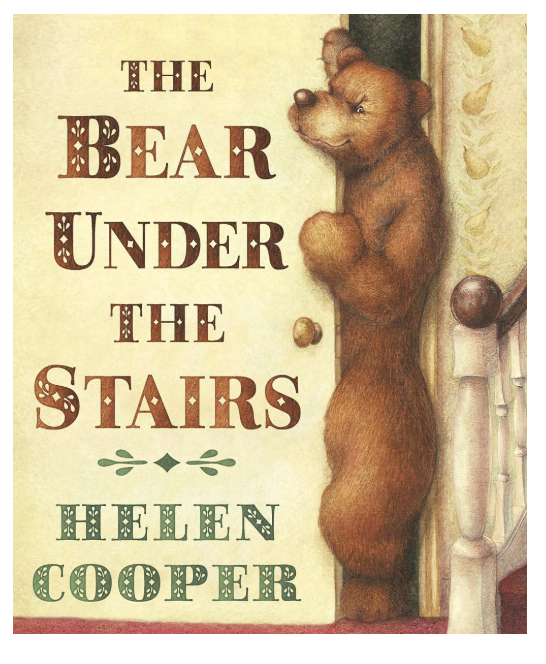
The Bear Under the Stairs by Helen Cooper
We will use this story as a model to discuss the children's own fears and how they have dealt with them. Children will write letters of advice to the main character and back before writing their own story of a child who is scared of something that might be in the house. The sequence of learning finishes with children making comparisons between real bears and toy bears and using this as the basis for an information report about bears to give to William to help him feel less scared.
Monster Phonics
This half term we will review all previous taught spelling patterns and revisit the Year 2 Common Exception Words. These words were part of the children's spelling homework last term. It is important that the children can read and spell all of these words. At home, spend some time each week to look over the children's spellings in their homework book and practise spelling these words in different ways. Look at the Spelling Challenge Cards for inspiration!
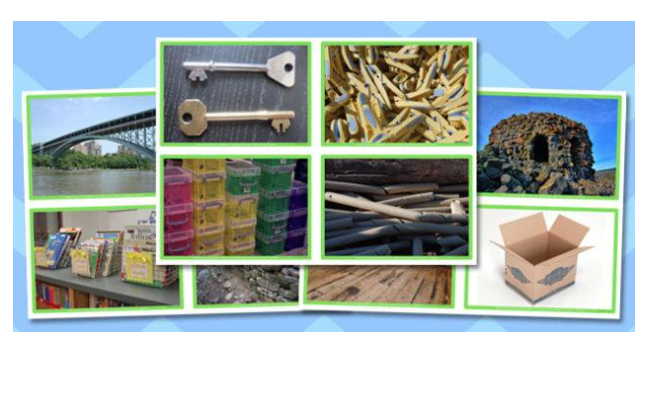
Science: Uses of Everyday Materials
Building on their knowledge of everyday materials and their properties, the children recognise that materials are suited for specific purposes and explore actions such as stretching and bending affect the shape of solid objects. They compare the suitability of materials; gather and record data in tables and block graphs and use their results to answer questions. Children learn about the harmful effects of plastic and explore eco-friendly alternatives.
Geography
Enquiry: Why does it matter where my food comes from?
This enquiry provides an introduction to farming and farms. It will enable the children to explore a number of key geographical concepts such as location and distribution, as well as establishing a clear grasp, in simple terms, of fundamental geographical processes including economic activity and trade. The enquiry therefore is not just about the children knowing ‘where’ their food comes from but also – and equally importantly – it’s about enabling them to understand ‘why’ it’s important to know. To this end the children have opportunities to begin to understand and reflect upon, in basic terms, why locally sourced food and free-range production regimes are considered environmentally friendly and sustainable.
Design Technology: Textiles
Pouches
The children will learn how to sew a running stitch ready to design, make and decorate a pouch using a template.
Physical Education: Gymnastics
Within this gymnastics unit, the children will be challenged to explore different ways thWhat does it ake to be a great explorerat they can link movements and balances together. The children will perform a sequence on apparatus focused on; jumps, rolls and balances.
Computing:
Computing systems and networks: IT around us
The children will reflect on their understanding of what information technology is and will begin to identify examples. They will learn about inputs and outputs in the technology they see in school and beyond. The children will investigate how IT improves our world whilst also recognising the importance of using IT responsibly.
Art
Drawing
The children will continue our drawing journey this term by using observational skills to draw a self portrait using mirrors to study our face shape and features carefully. In Art Talk we will study examples of portraits. The children will develop visual literacy skills by observing and reflecting on a range of artwork in this style. This term the children will focus on drawing, exploring ‘tone’ as the key element of Art. We will be exploring what tone means and looking at the use of tone by Georges Seurat. The children will be introduced to sketching pencils and use these to create tonal drawings.